
Attentive, always polite, hardworking and intelligent, this is how we used to imagine an ideal doctor, but what about the mechanical one. They also could be described as many, calm and judicious, without the so-called human factor. However, some people believe that in the future machines will completely replace humans in the medical field. Yet, at the current stage of technological development, such a replacement is unlikely to be possible, but certainly, it is worth considering the role of robots in modern medicine, which we are going to discuss in more detail down below.
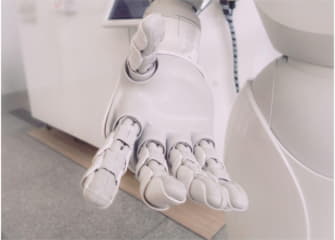
The progress is not standing still in the field of veterinary medicine as well. Nowadays, the field of examination has expanded considerably, so that pet owners can take DNA tests for cats. This service allows the predisposition of the pet to genetic diseases to be determined and a breed analysis to be carried out. Moreover, it is no longer necessary to go to the vet clinic, as the robot technology is mobile and makes all the tests at home.
? Assistance with routine
Like many areas of medicine, robotics helps doctors with routine tasks that could be time-consuming and labor-intensive but require little thought or decision-making. These include registering patients, working with electronic records and providing reference information. Robot clerks have already been developed and are used in a wide range of clinics. It is likely that in the future, intelligent robots will take over a large part of the administrative work in healthcare facilities. So-called robot couriers are commonly used to deliver medication, tools, laundry, food and anything else that can be transported. The TransCar LTC 2 is one of the best known of these machines, designed as a platform that can also carry bulky containers.
? Dealing with complex tasks
Certainly, when very delicate labor is necessary, the usage of robots in medicine is a true must. The risk of problems can be reduced by using intelligent technology to improve therapy and make it less stressful for the patient. For now, surgery is one of the most robotic fields of medicine. During the most complex operations, robots act as the surgeon's hands. The da Vinci system is perhaps the most famous and most complex robotic surgical system. Heart, thyroid, pelvic and abdominal surgeries are just some of the many operations that da Vinci medical robots can perform.
? Rehabilitation assistance
Robots that are designed to rehabilitate patients after surgery or in the active stage of disease fall into a different category. There are numerous robotic systems, such as the Swiss Lokomat devices, for restoring movement after surgery or stroke. Patients with minimal mobility can use robotic prostheses on a daily basis. Most innovative has been the development of robotic devices with feedback, which allow patients to feel everything they touch and thereby control their movements.
? Social workers
Robotic carers and other robotic assistants that are designed to make patients' lives easier. They can help patients get out of bed and go to the toilet, or get into a wheelchair. Another type of social robots are those who are specifically developed to provide care. The Swedish Hobbit, for example, is a mutual aid and care robot that involves an elderly person and a robot taking care of each other, thereby making the life of the elderly person more joyful and meaningful.
? Robotic pills
Medical robotics can offer truly fantastic possibilities for doctors. The most relevant here are such areas as delivering drugs directly to the right spot in the human body, by examining organs from the inside, or, for example, cleaning blood vessels of plaque. These tasks can be solved by a special group of devices - programmable nanobots that will be so small that they will be able to move freely inside the body. Novaris & Rani Therapeutics is still working on them at the experimental level.
As you can see, despite the rather distrustful attitude toward robots, they definitely have a number of advantages. In the meantime, let's wait for new medical assistants in the future and hope for their widespread usage all over the world.

